Contact Us!
How can we help?
Looking for your dream holiday rental, a permanent home, or your next investment in Nice? We're here to help. Contact us and we'll get back to you within 24 hours.

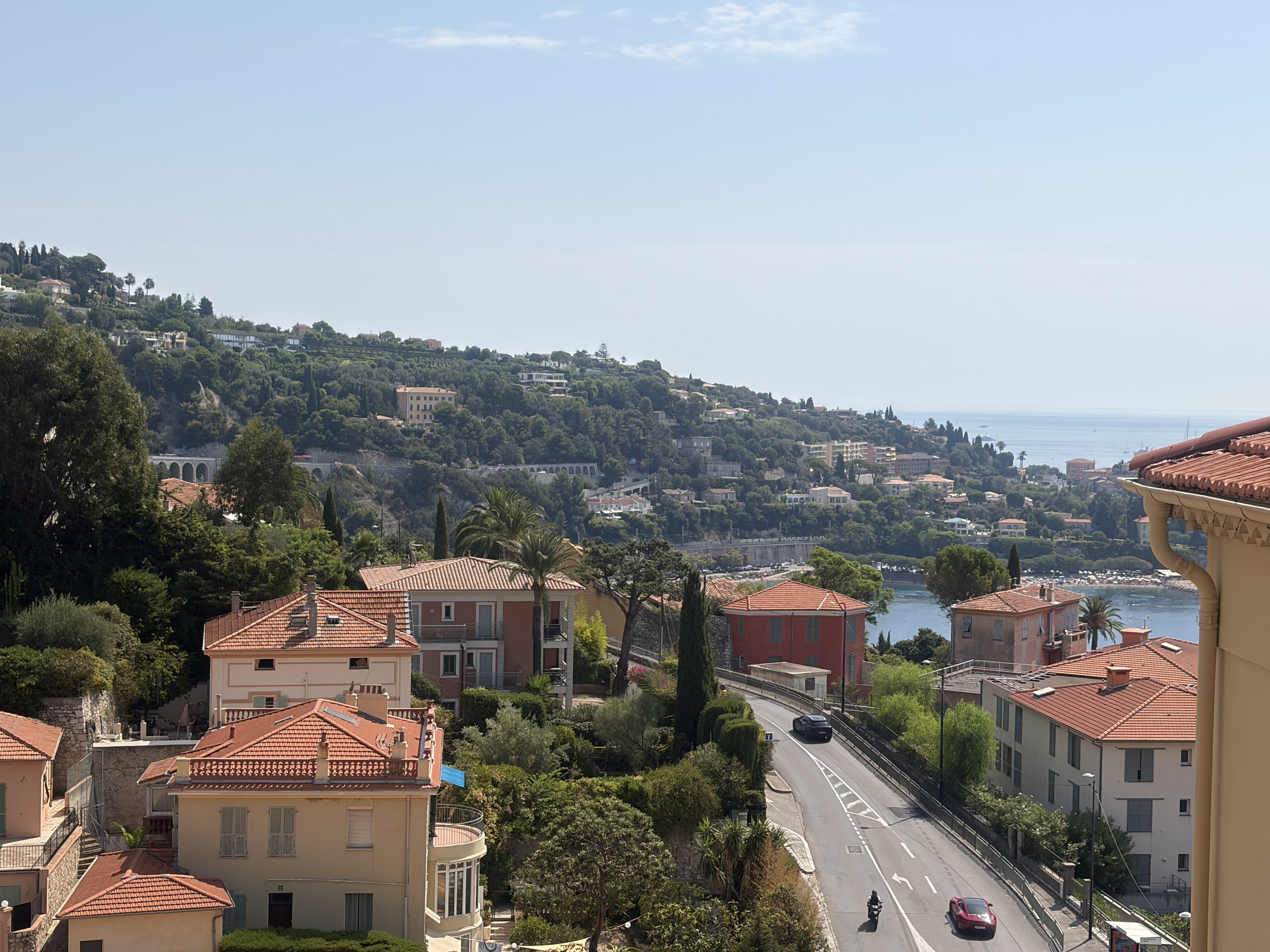
In August, the French Riviera is at its most attractive. Terraces are full, beaches are lively and many holiday rentals experience their busiest period of the year.
In this context, it may be tempting to believe that a well-located apartment in Nice, Cannes or Antibes will automatically become a profitable investment.
The reality is more complex.
The success of a property investment on the French Riviera does not depend only on the beauty of the property, its proximity to the sea or the number of bookings recorded during the summer.
It is largely determined by three decisions made long before the property is first listed: choosing the right micro-location, calculating the true net profitability and confirming that the project can be operated legally and sustainably.
These are the three areas every investor should examine carefully before purchasing a property on the French Riviera.
1.) Choose the Right Micro-Location to Protect Your Rating and Revenue
Deciding to invest in Nice is not precise enough.
Two apartments located in the same city, sometimes only a few hundred metres apart, can achieve very different financial results. This difference is not only related to the purchase price, size or interior design. It may be directly connected to the guest experience and the ratings travellers leave after their stay.
On booking platforms, reviews influence traveller confidence, listing conversion and visibility. Airbnb explains that a listing’s quality, location, price, ratings and reviews are among the factors considered when ranking search results.
A strong rating therefore helps a property reassure potential guests and maintain a higher nightly rate. When the same problems are repeatedly mentioned in reviews, however, it becomes much more difficult for the owner to defend the original pricing strategy.
Being close to the sea remains attractive, but it does not compensate for every weakness in a location.
A central apartment above a noisy street may receive negative reviews about sleep quality and comfort. A property without a lift, especially on an upper floor, may be criticised for being difficult to access with luggage. An address located far from public transport or major attractions may also disappoint travellers who expected to explore the city easily on foot.
When these comments appear repeatedly, the overall perception of the property begins to decline. The listing becomes less reassuring, and competition from better-located properties may force the owner to reduce prices to maintain bookings.
Profitability is therefore often determined at street, building or even floor level.
Before buying, it is essential to visit the area at different times of day. A street that feels peaceful in the morning may become very lively at night. Investors should also examine the condition of the shared areas, ease of access, possible noise, the quality of the building entrance and the real walking time to transport links, beaches, shops and restaurants.
The owner should consider the property from the perspective of a traveller arriving with luggage after several hours of travel. Is the building easy to find? Is the arrival experience pleasant? Is the absence of a lift clearly communicated? Is the property genuinely as central and convenient as the listing will suggest?
To assess the purchase price, investors can also consult the official Demande de valeurs foncières —DVF database. This tool provides information on recorded property transactions in the surrounding area.
However, this data is not enough to evaluate rental potential. It must be supported by a detailed analysis of the building, the street, local demand and the type of guests the property is expected to attract.
The importance of micro-location is also explored in our analysis of property investment in the Port of Nice in 2026.
A successful investment depends on a strong connection between the property’s immediate environment, the standard of comfort offered and the expectations of its future occupants.
2.) Calculate the Real Net Profitability, Not Just a Full Booking Calendar
A projected gross turnover is not enough to evaluate a rental investment.
An apartment may generate strong revenue in July and August while producing disappointing net returns if all costs have not been properly anticipated.
The purchase price is only the beginning of the calculation. Investors must also include acquisition costs, financing, renovation work, furniture, co-ownership charges, property tax, insurance and any energy costs that remain the owner’s responsibility.
These ownership costs are followed by the expenses required to operate the property: reservation management, cleaning, laundry, maintenance, restocking, technical interventions and the gradual replacement of equipment.
The number of guest turnovers also matters. A succession of very short stays may create the impression that the property is performing extremely well, while considerably increasing cleaning, linen, inspection and arrival costs.
A reliable projection must therefore consider the average length of stay, seasonal demand and arealistic maintenance budget. Air conditioning, bedding, appliances and furniture experience particularly heavy use in a holiday rental.
The relevant question is not simply:
“How much turnover can this property generate?”
It is:
“How much income will remain after paying all the costs required to operate and protect the property?”
To obtain a realistic picture, investors should prepare several financial scenarios.
A cautious scenario shows whether the project remains viable if demand slows, certain periods remain empty or operating costs increase. A realistic scenario should be based on properties that are genuinely comparable in terms of location, capacity, comfort and facilities. The most optimistic scenario should only be used as an additional reference, never as the sole justification for purchasing the property.
To explore the sourcing and selection process in more detail, read our article on how to find and maximise the profitability of the best property acquisitions in Nice.
Dynamic Pricing at the Heart of Rental Performance
The nightly price should not remain the same throughout the season.
Dynamic pricing means adjusting rates according to real demand, local events, competing availability,the length of the stay and the number of days remaining before arrival.
An apartment available several months before a stay should not necessarily be offered at the same price as a property that remains available only a few days before a highly requested weekend.
This strategy helps to maximise the value of the most popular periods while maintaining enough flexibility when the pace of bookings slows.
It also prevents the calendar from filling too quickly with reservations secured far in advance at aninsufficient rate. A high occupancy rate can feel reassuring, but it should never be the only measure of success.
A slightly less occupied calendar, made up of longer and better-priced stays, can generate a higher net income while reducing turnover costs.
To understand this strategy in greater detail, read our article on dynamic pricing and rental profitability during peak season.
3.) Check the Regulatory Framework and Operational Practicality
A property may look perfect in photographs but prove difficult to operate legally or practically.
Regulations should be reviewed before signing the preliminary sales agreement, not after purchasing and renovating the property.
The Regulatory Framework in Nice in 2026
Since 1 January 2026, a new set of rules has governed changes of use in Nice. In areas subject to quotas, the regulations currently provide for a maximum of 671 annual authorisations, representing 1.5% of the properties concerned, with temporary authorisations lasting three years.
However, as of 30 July 2026, the opening of applications in quota-controlled areas remains suspended until 31 August 2026, pending a decision from the Conseil d’État.
The situation must therefore be checked at the exact time of purchase. Buying an apartment on the assumption that an authorisation will automatically be granted creates a significant risk for the investment.
Up-to-date information is available on the official Métropole Nice Côte d’Azur page covering change-of-use authorisations.
For properties intended for holiday rentals, the Métropole also explains the procedures applicable to furnished tourist accommodation in Nice.
The co-ownership regulations must also be examined carefully. The official use of the building and certain clauses may restrict or prohibit short-term rental activity, even when the property appears perfectly suitable.
The latest minutes from co-ownership meetings can also reveal disputes, planned renovation work, complaints relating to tourist rentals or discussions that may affect the future operation of the property.
Mixed Rental as an Alternative Strategy
For certain properties, mixed rental in Nice may be an option worth considering.
Under specific conditions, this model allows a property to be rented to a student for part of the year and then operated as a tourist rental for three months during the summer.
However, mixed rental requires a temporary authorisation, a specific agreement and compliance with several conditions relating to the property, the student lease and the co-ownership regulations.
It is not an automatic solution that can be applied to every property.
An apartment designed for tourists is not necessarily practical for a student who will live there for several months. Conversely, a property arranged for longer stays may allow the owner to develop a more stable strategy throughout the year.
The decision should be made according to the type of property, its location, energy performance, target occupants and planned operating calendar.
Anticipate Day-to-Day Property Management
Profitability also depends on how easily the property can be prepared, maintained and inspected.
An apartment without storage space for linen forces operational teams to make additional journeys. An undersized air-conditioning system increases the risk of problems during periods of extreme heat. A poorly organised key handover can frustrate guests and create tension within the building.
These details may appear unimportant during a property viewing, but they directly affect management costs, guest satisfaction and post-stay reviews.
The property should be designed as a space that will be occupied and prepared regularly. Materials should be durable, equipment should be easy to maintain and the organisation should allow the property to be carefully checked between reservations.
The quality of this execution directly influences the guest experience. A simple arrival, a perfectly clean apartment, comfortable bedding, a pleasant temperature and responsive assistance all contribute to stronger reviews.
By contrast, faulty air conditioning, incomplete cleaning or a delayed response to a problem can damage the reputation of the listing over time.
Profitability therefore does not depend only on the purchase and pricing strategy. It also depends on the ability to deliver, booking after booking, an experience that matches the promises made in the listing.
Our article on professional property management on the French Riviera explains why daily management should be considered a performance lever rather than a simple logistical service.
💡Expert Insight — Andrea
“The profitability of a French Riviera property investment is no longer a matter of luck. It is built before the property is even purchased by carefully analysing the micro-location, the real operating costs and the local regulatory framework.
The strongest projects combine a strategic acquisition, dynamic pricing and an excellent guest experience. This consistency is what protects the property and maintains its profitability over time.”
Short on Time? Let Us Manage Your Project
Analysing local property transactions, comparing micro-locations, reviewing co-ownership rules, monitoring changes in authorisations, preparing several financial scenarios and planning the property’s daily operation requires considerable time and expertise.
Once the property has been purchased, the owner must also manage its preparation, home staging, photography, listing creation, dynamic pricing, guest communication, cleaning, laundry and unexpected incidents.
Without reliable local support, a rental investment can quickly become a significant source of stress and daily responsibility.
Are you considering investing on the French Riviera but do not have the time or local expertise required to analyse and coordinate every part of the project?
Maison Côte Collections can manage the operational side for you
Through our services for investors and property owners, we can assess the micro-location, rental potential and operational requirements of your project. We then support the preparation and positioning of the property before coordinating its ongoing management and the experience delivered to guests.
You retain control of your investment strategy and objectives. Our local team handles the operational responsibilities that require time, availability and detailed knowledge of the Nice property and rental market.
👉Entrust My Project to Maison Côte Collections
Download the 2026 French Riviera Property Investor Guide
Are you still at the beginning of your project and looking to understand the market before purchasing?
The 2026 French Riviera Property Investor Guide presents the region’s main property markets, the criteria to examine before buying, the key profitability drivers and the strategies that can help you prepare a stronger rental investment.
👉Download the Free Investor Guide
The information presented in this article is provided for general guidance and was reviewed on 30 July 2026. It does not replace legal, tax, financial or administrative advice tailored to an individual investment project.
Contact Us!
How can we help?